Sustainable Farming Practices for Climate Resilience
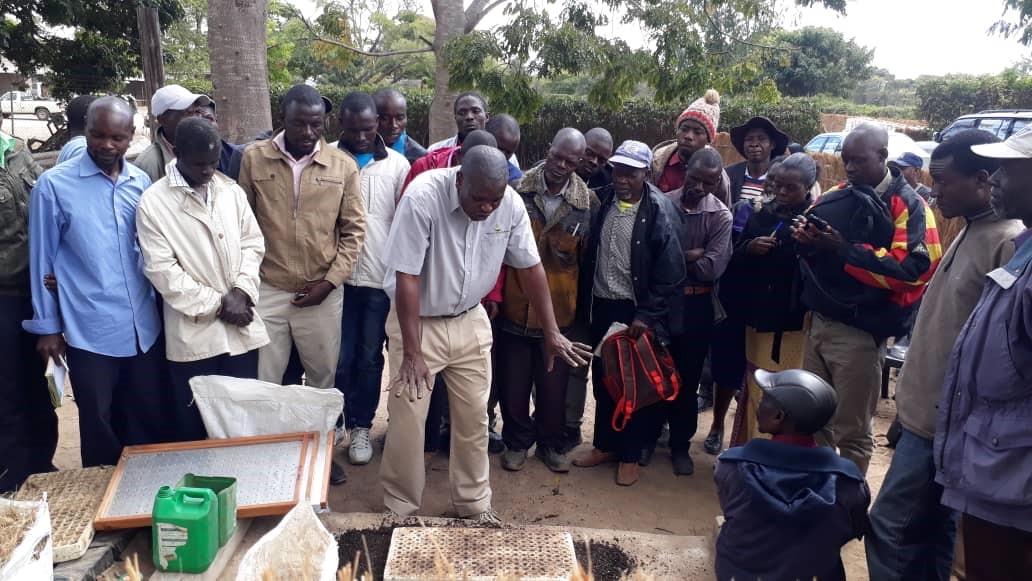
As climate change continues to impact agricultural production, Kutsaga Research Station is leading the development and promotion of sustainable farming practices that build resilience while maintaining productivity.
Climate-Smart Agriculture
Our research focuses on developing and promoting climate-smart agriculture (CSA) practices that simultaneously increase productivity, enhance resilience to climate change, and reduce greenhouse gas emissions where possible.
These practices include conservation agriculture, integrated pest management, efficient water use, and soil health improvement techniques that have been tested and validated across different agro-ecological zones in Zimbabwe.
Conservation Agriculture
Conservation agriculture principles form the foundation of our sustainable farming approach:
- Minimum soil disturbance through reduced tillage
- Permanent soil cover using crop residues and cover crops
- Crop rotation and diversification
- Integration of trees and shrubs (agroforestry)
Farmers adopting these practices have reported 20-30% reduction in production costs and improved soil fertility over time.
Water Management Innovations
With increasing water scarcity, our research has developed efficient irrigation techniques and water conservation methods:
- Drip irrigation systems for smallholder farmers
- Rainwater harvesting and storage techniques
- Drought-tolerant crop varieties
- Mulching and soil moisture conservation
Integrated Pest Management
Our IPM approach reduces reliance on chemical pesticides while maintaining effective pest control through:
- Biological control using beneficial insects
- Cultural practices that disrupt pest cycles
- Resistant crop varieties
- Targeted use of environmentally friendly pesticides
"Sustainable farming is not just about environmental protection—it's about ensuring long-term profitability and food security for our farmers and communities."
Soil Health Management
Healthy soils are the foundation of sustainable agriculture. Our soil health program includes:
- Regular soil testing and nutrient management
- Organic matter enhancement through composting
- Microbial inoculants for improved soil biology
- Erosion control measures
Farmer Training and Extension
Knowledge transfer is crucial for widespread adoption of sustainable practices. Our extension program includes:
- On-farm demonstrations and field days
- Farmer-to-farmer learning networks
- Technical training workshops
- Digital extension tools and mobile apps
Measuring Impact
Our monitoring and evaluation system tracks the impact of sustainable practices:
- Yield improvements: 15-25% increase in participating farms
- Cost reduction: 20-30% decrease in input costs
- Soil health: Improved organic matter and nutrient levels
- Water efficiency: 30-40% reduction in water use
- Biodiversity: Increased beneficial insects and soil organisms
Future Outlook
As we look to the future, our sustainable agriculture program will continue to evolve with new technologies and approaches. We are exploring precision agriculture, artificial intelligence for pest prediction, and blockchain for supply chain transparency.
Our goal is to make sustainable farming practices accessible and profitable for all farmers, regardless of their scale of operation, contributing to a more resilient and sustainable agricultural sector in Zimbabwe.
Related Articles
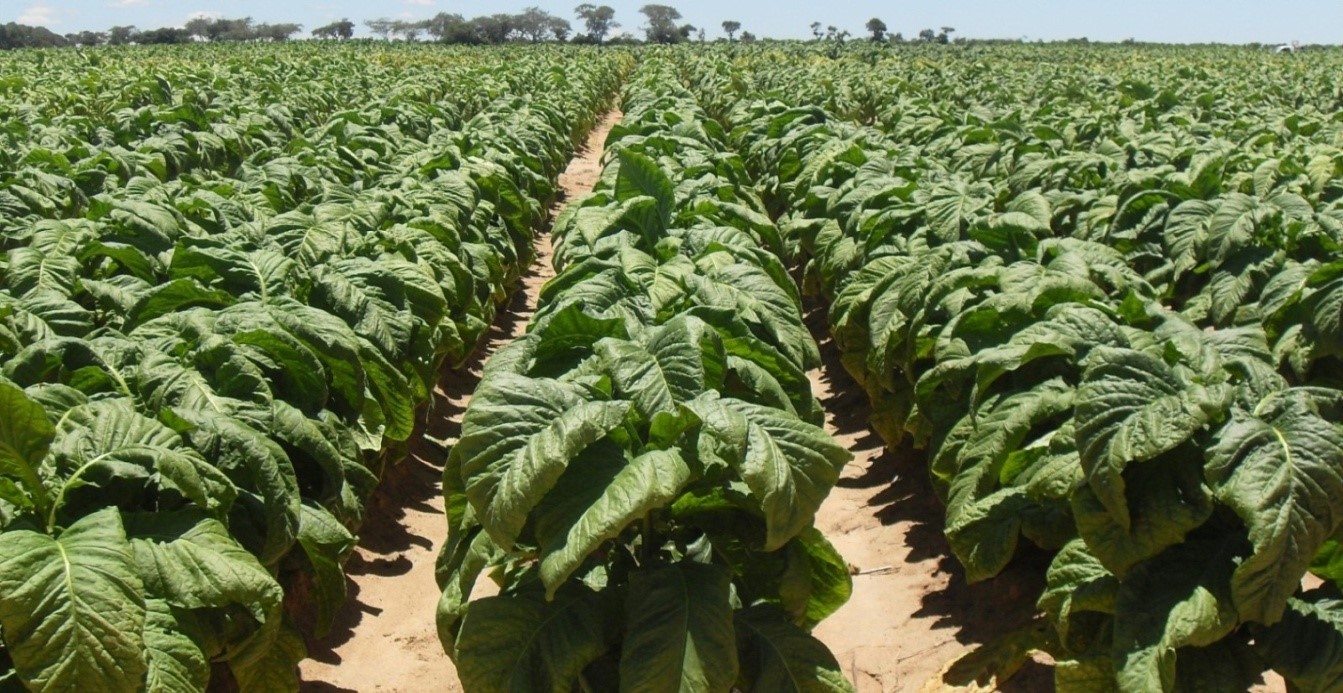
Breakthrough in Tobacco Disease Resistance Research
New tobacco varieties with enhanced disease resistance developed at Kutsaga Research Station.

Plant Breeding Innovations Drive Agricultural Success
New breeding techniques are revolutionizing crop development at Kutsaga Research Station.